Toilet and faucet leak repair in Corona
Toilet and faucet leak repair in Corona usually means replacing a worn flapper, fill valve, cartridge or supply line, and a dye test tells you in fifteen minutes whether a toilet is leaking. For leaks you can't stop yourself, call (951) 338-8250 or request a callback and a licensed plumber follows up.
Small leaks that cost more than you'd think
A dripping faucet or a toilet that runs at night doesn't look like much, but it runs every hour of every day. Toilet and faucet leak repair in Corona matters more than it might elsewhere because of the way the city bills water. Corona Utilities sets an indoor water budget based on household size, at 47 gallons per person per day, with single-family homes starting at four people, as its tiered rates and budgets page shows. A silent toilet leak spends that budget without anyone using it, and water above the budget is billed at higher tier rates.
Fixture leaks are also the easiest leaks to rule out before looking for anything hidden. If the bill went up and the meter moves with everything off, checking the toilets and faucets first can save a lot of guessing. Plenty of calls that start as a suspected slab leak end with a worn flapper or a fill valve that never shuts off fully. Our guide on why a water bill suddenly goes up covers the other common causes.
Testing a toilet for a silent leak
Corona Utilities offers free toilet dye tabs for exactly this reason, as its residential programs and rebates page notes, and a few drops of food coloring work just as well. Put the dye in the tank, don't flush, and come back after a quarter of an hour. Color in the bowl means water is slipping past the flapper. Next, take the tank lid off and look at the water level. If it sits above the top of the overflow tube, or you hear the fill valve hissing now and then, the fill valve is letting water run down the overflow all the time.
Check the outside of the toilet too. Look for water on the floor around the base, a drip from the supply line or shutoff valve on the wall, and condensation that runs down the tank on humid days. A wet base after flushing usually means the wax seal under the toilet has failed. That one deserves attention soon, because the water spreads into the subfloor or along the slab where you can't see it.
Toilet and faucet leak repair in Corona: what usually gets fixed
Most toilet leaks come down to a handful of parts. The flapper wears and warps, the fill valve's seal breaks down, the flush valve gasket between tank and bowl starts to seep, or the wax ring loses its seal after the toilet rocks for a while. Supply lines and the small angle stop valve at the wall fail too, sometimes with a slow drip and sometimes all at once. A plumber can replace these parts and check that the toilet sits firmly on the floor.
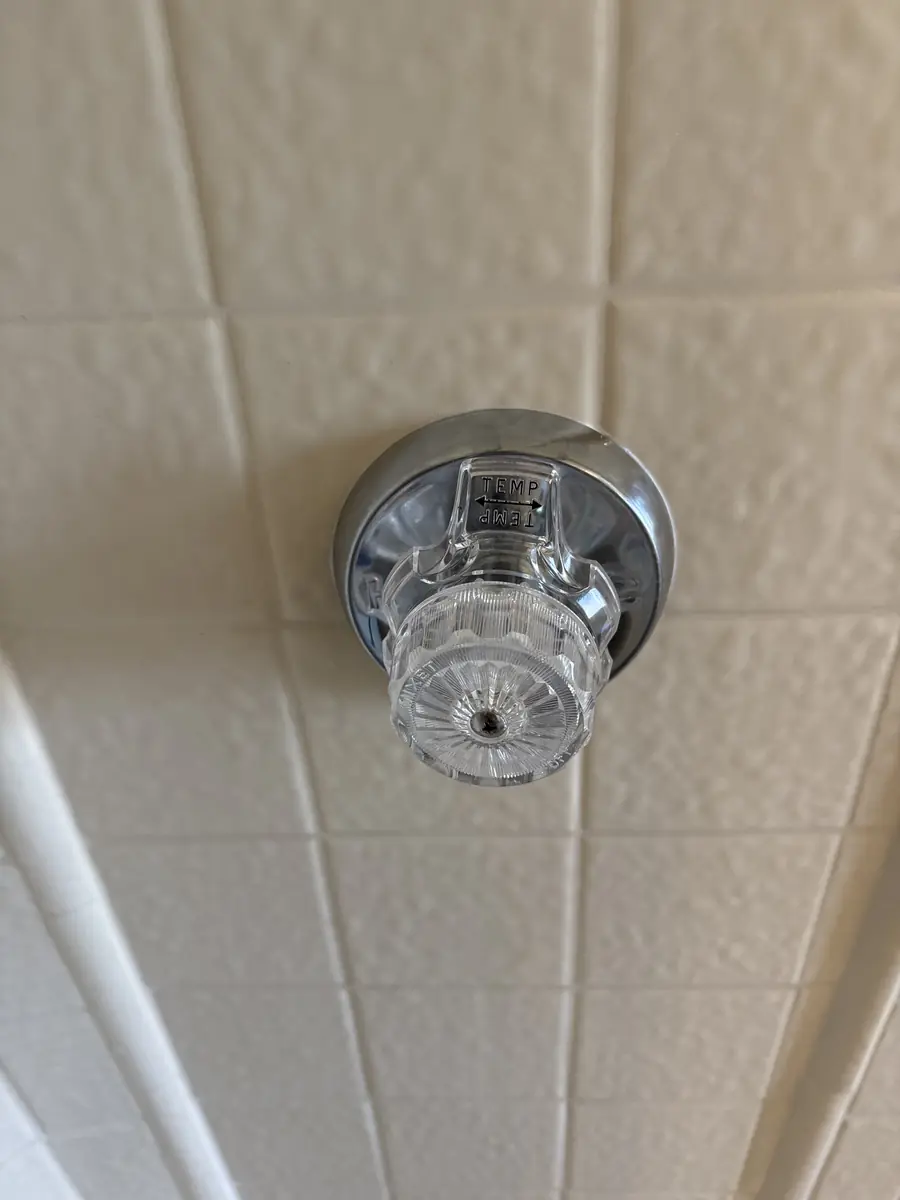
Faucets leak at the spout, around the handle or underneath the sink. A drip from the spout usually means a worn cartridge or washer. Water around the handle points to an O-ring. Leaks under the sink tend to come from the braided supply lines, the shutoff valves, or the faucet's own connections, and they can sit unnoticed in the back of a cabinet until the bottom panel swells. Shower valves leak the same way, with a steady drip from the head after it's turned off.
Hard water and fixture parts
Corona's water is classified as hard. The city's 2026 Consumer Confidence Report puts the system average at 146 parts per million, or 8.5 grains per gallon. Minerals in hard water leave deposits on seals, valve seats and cartridges, and those deposits can keep a valve from closing fully or wear a rubber part faster. You may see white crust on aerators and around faucet bases, which is a hint the same thing is happening inside the valve body.
That doesn't mean every fixture is about to fail. It means a cartridge or fill valve in a Corona home may need replacing a little sooner than the package suggests, and it's worth choosing parts that hold up to mineral buildup. Cleaning aerators and showerheads now and then helps with flow, though it won't stop a valve that has already started leaking.
Talk it through with the plumber
Call (951) 338-8250 or request a callback.
You hear the options and the price before work starts.
Repair the part or replace the fixture?
A toilet with a cracked tank or bowl, a faucet with a corroded body, or a fixture that has been repaired several times is often better replaced. Corona Utilities lists rebates, through SoCalWaterSmart, for premium high-efficiency toilets that use 1.1 gallons per flush or less, while funding lasts, on the same residential programs and rebates page. That can tip the decision toward replacement if your old toilet is a heavy user. For newer fixtures, a part swap is usually the sensible choice. The plumber tells you the price for each option before doing any work.
When a small leak points to a bigger one
Sometimes the fixtures are all fine and the meter still moves. Other times a leak under a sink has been running long enough to soak the cabinet base and the slab beneath it. If water keeps appearing around a toilet after the wax ring is replaced, the problem may be a drain fitting below the floor. If a stain appears on the ceiling under an upstairs bathroom, read about wall and ceiling leak repair. If the meter test still shows movement after the fixtures check out, the next step is looking for a leak under the slab. Call (951) 338-8250 and describe what you've found so far.
Leak questions we hear in Corona
How do I test my toilet for a silent leak?
Put a few drops of food coloring or a dye tab in the tank, don't flush, and check the bowl after about fifteen minutes. Color in the bowl means the flapper is letting water through. Corona Utilities offers free dye tabs for this test.
Why does my toilet keep running after I flush?
A toilet that keeps running usually has a worn flapper, a fill valve that doesn't shut off, or a water level set above the overflow tube. Lift the tank lid and look at where the water sits. Most of these are inexpensive parts to replace.
Why does my faucet drip even when the handle is off?
A drip from the spout usually means a worn cartridge or washer inside the faucet. Hard water deposits can also keep a valve from closing fully. Replacing the cartridge often fixes it without replacing the whole faucet.
Can a running toilet raise my Corona water bill?
A running toilet can raise your bill noticeably, because it wastes water around the clock and Corona bills use above your indoor budget at higher rates. It's one of the first things to check when a bill jumps. The dye test takes a few minutes.
Should I repair my old toilet or replace it?
A toilet with a cracked tank or bowl, or one that has been repaired several times, is often better replaced. For a newer toilet, swapping a part is usually the sensible choice. Corona Utilities lists rebates for premium high-efficiency toilets while funding lasts.
What causes water around the base of a toilet?
Water at the base after flushing usually means the wax seal under the toilet has failed. It can also come from a leaking supply line or condensation running down the tank. A failed seal deserves attention soon, since water can spread into the subfloor.
Does hard water in Corona wear out faucet parts faster?
Hard water leaves mineral deposits on seals, valve seats and cartridges, which can make them leak sooner. Corona's water is classified as hard in the city's water quality report. Cleaning aerators helps flow, but a valve that has started leaking needs a new part.